
17
JUNE
2026
Advancing cross-border dialogue on Chinese law: Thornhill Legal supports Oxford-HKU Workshop
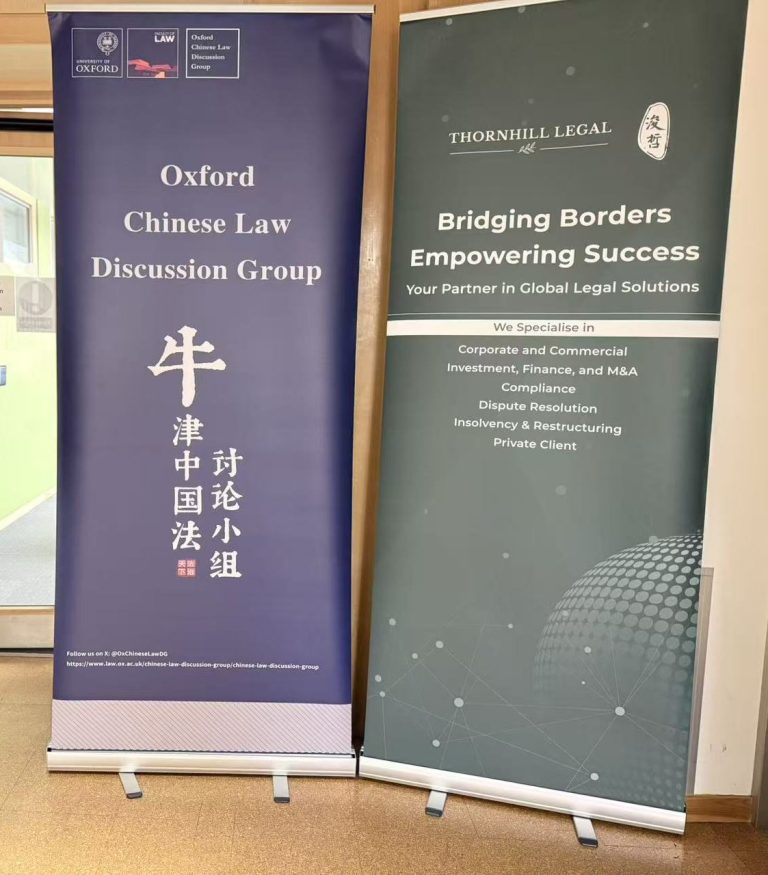
Thornhill Legal was honoured to sponsor and participate in a high-level international conference recently held at the Faculty of Law, University of Oxford, which brought together scholars, researchers and legal practitioners from across several jurisdictions to discuss the latest developments in Chinese law and its engagement with emerging global legal challenges.
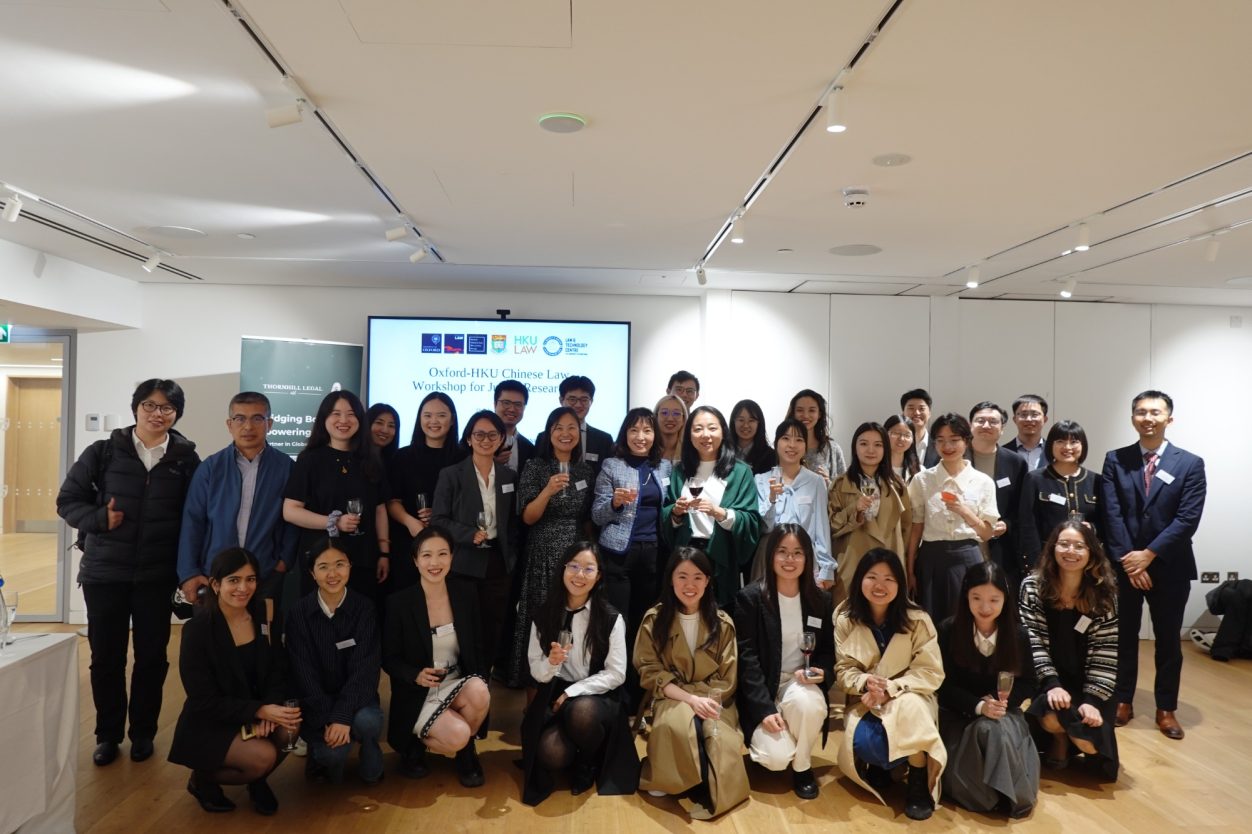
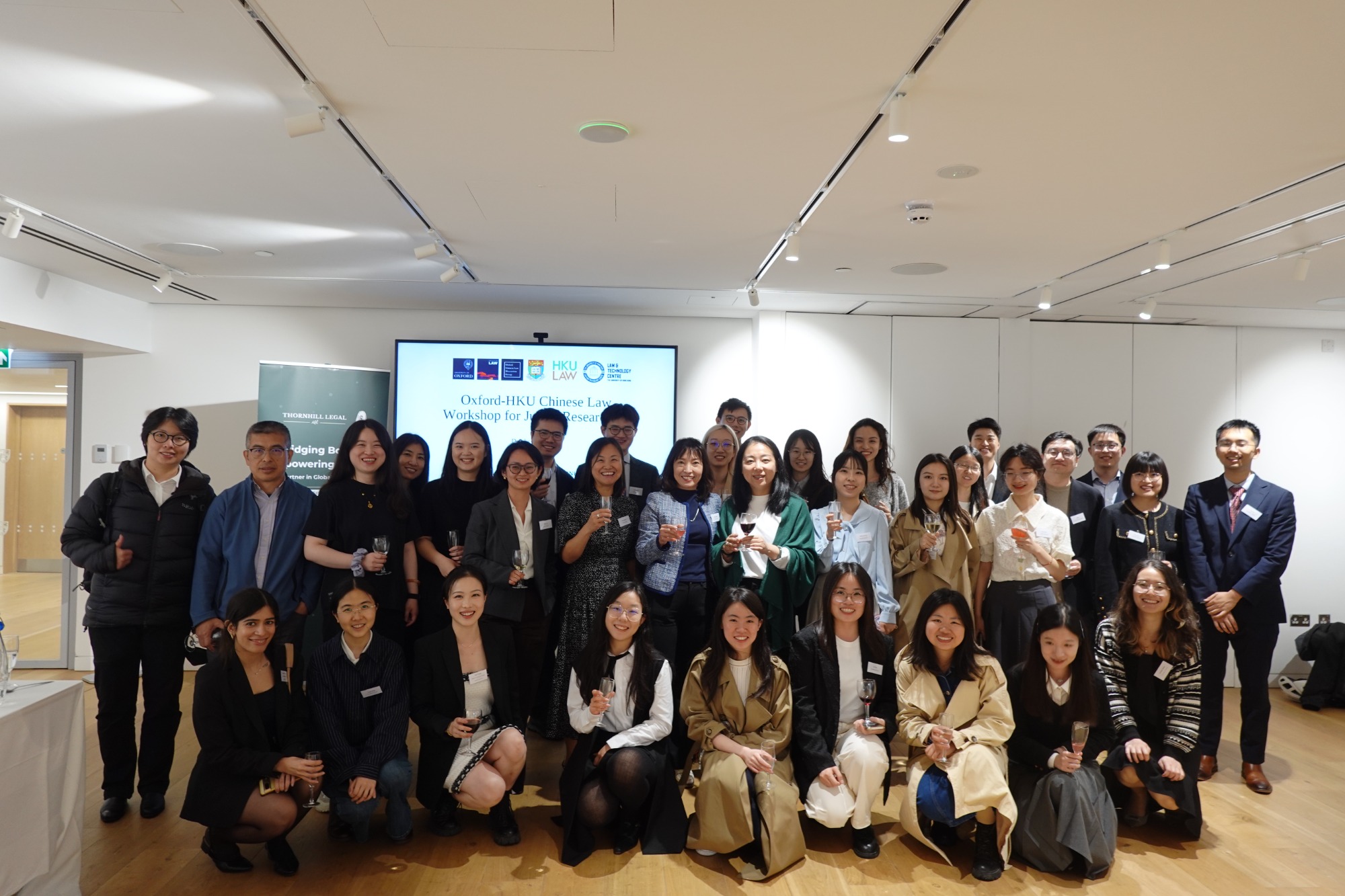
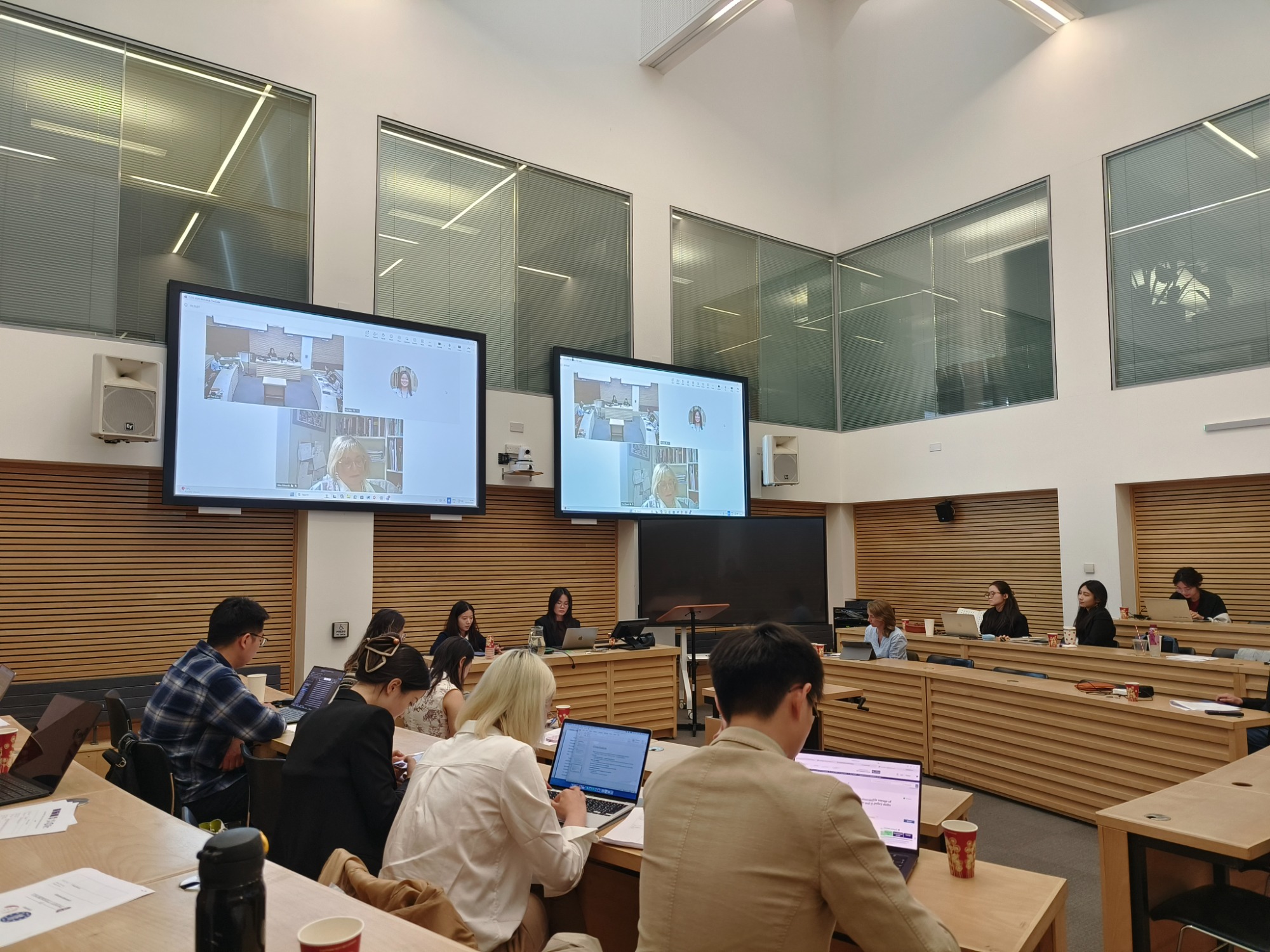
The two-day event, known as Oxford-HKU Chinese Law Workshop for Junior Researchers 2026, was jointly organised by the Oxford Chinese Law Discussion Group (OCLDG) and the Law and Technology Centre at The University of Hong Kong. Thornhill Legal proudly supported the conference as lead sponsor, contributing to an important platform for cross-regional academic exchange, interdisciplinary dialogue and innovation in Chinese law scholarship and legal practices.
As an increasingly influential international forum for early-career scholarship in Chinese law, this year’s workshop received 152 submissions from around 80 universities and research institutions worldwide. Following a rigorous selection process, the accepted papers covered a wide range of areas, including data governance, international economic law, courts and technology, regulatory instruments, artificial intelligence, law and society, and environmental governance. Together, they reflected the continued development, global reach and interdisciplinary vitality of Chinese legal scholarship.
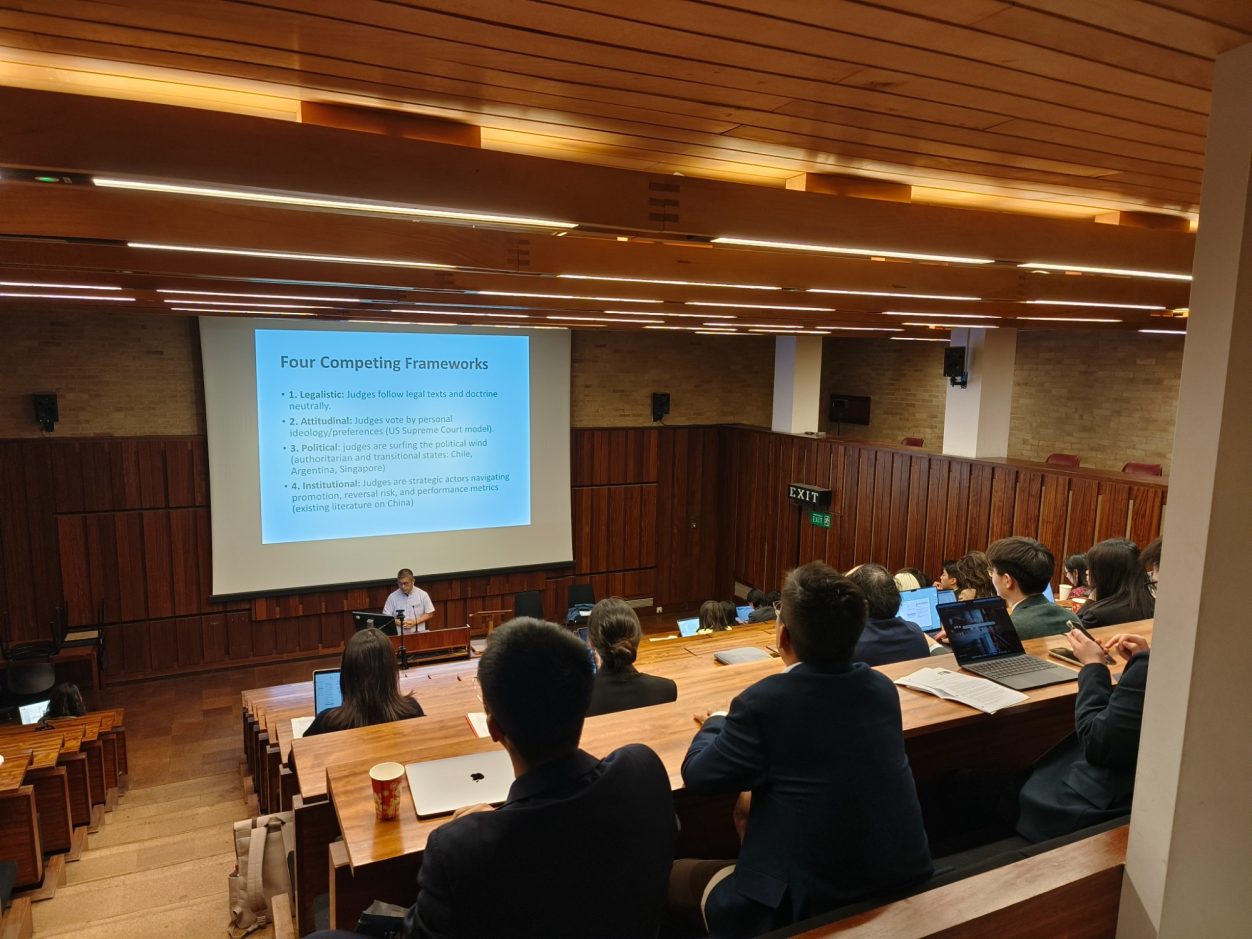
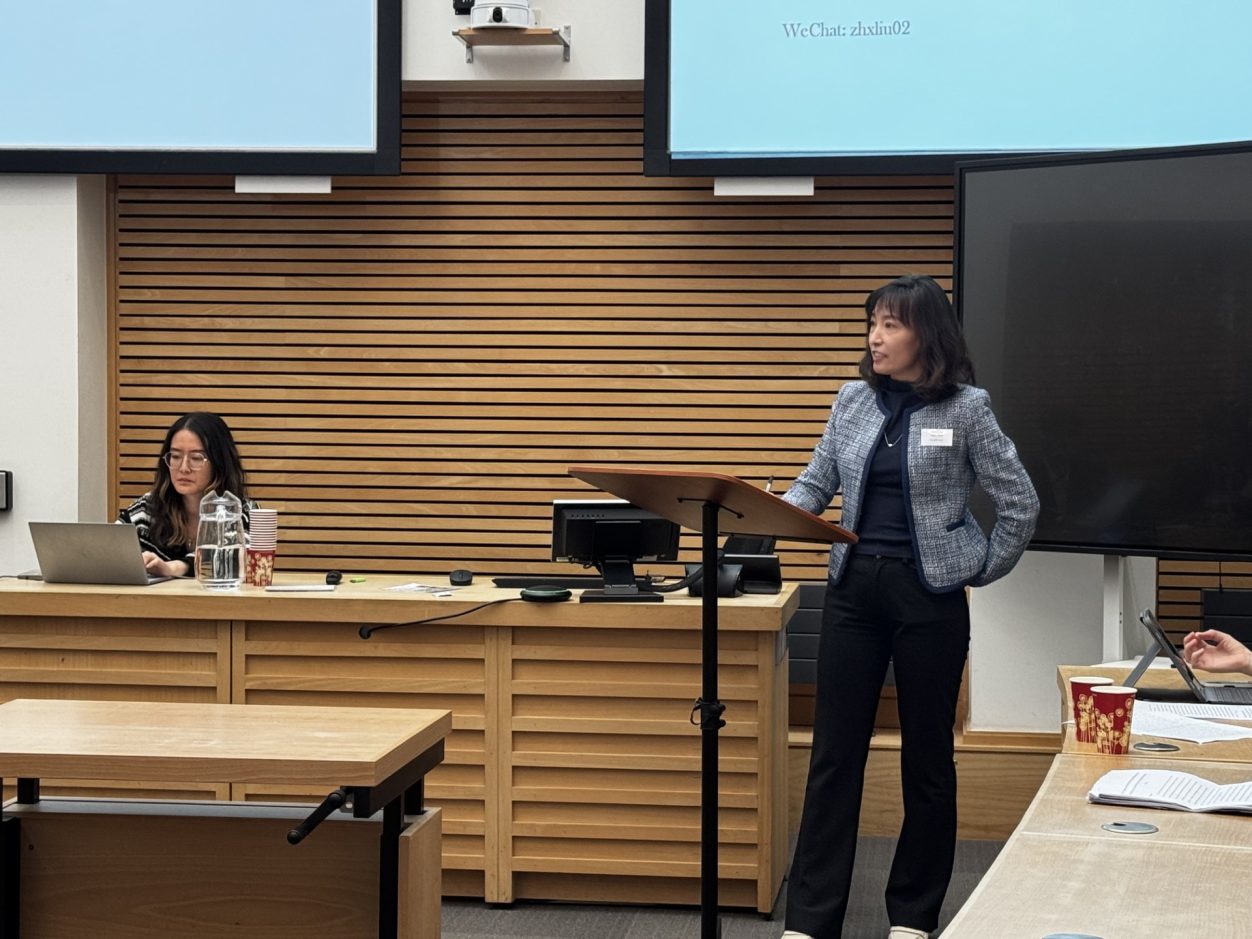
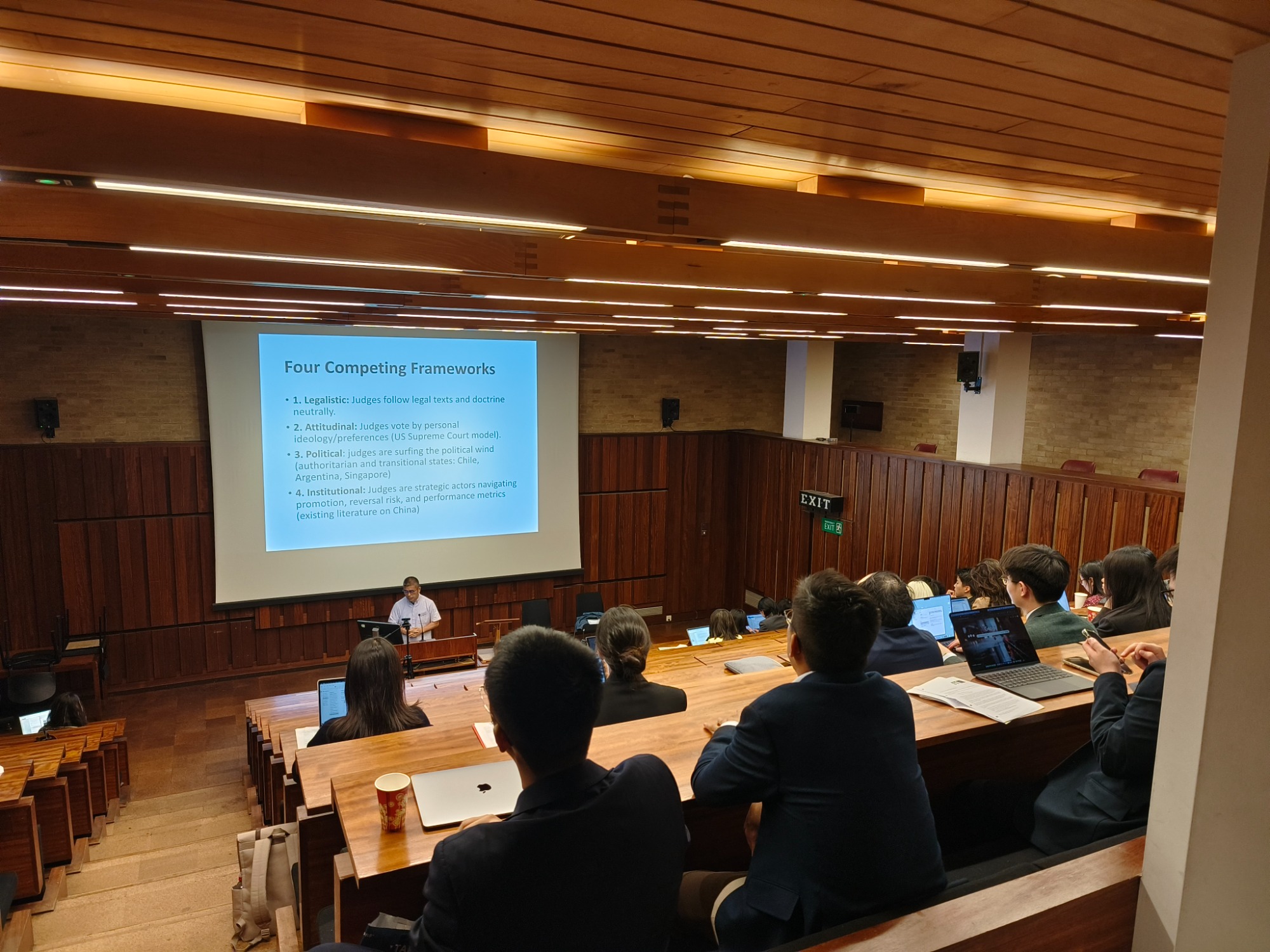
During the workshop, professor Xin He of HKU Law delivered the keynote speech, drawing on his long-standing empirical research to examine how Chinese judges make decisions and how judicial practice is shaped by institutional and social contexts.
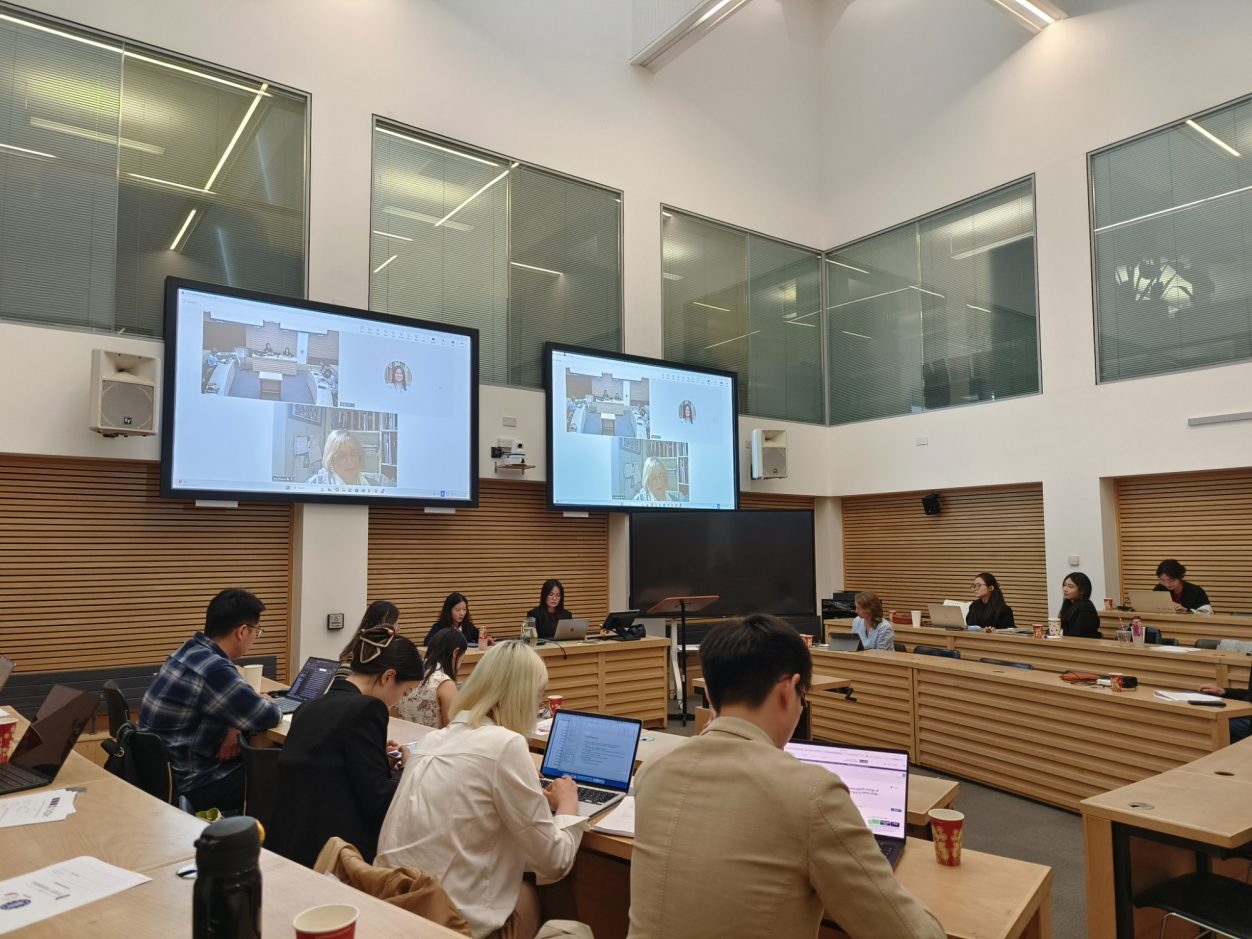
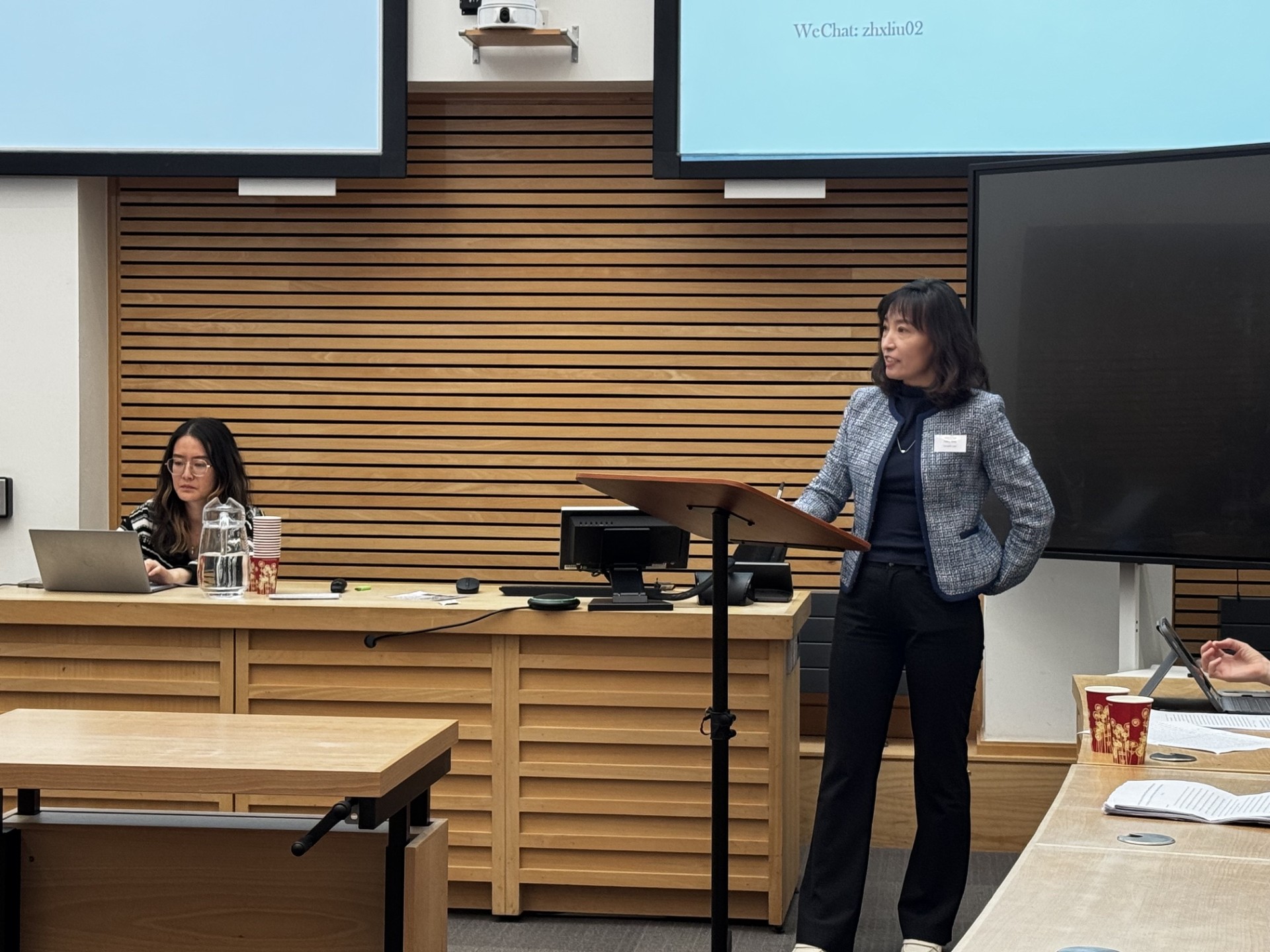
Yuhua Yang, partner at Thornhill Legal, was invited to join the “Courts, Technology and Legal Change” panel as an expert commentator. Alongside academics from the University of Oxford, The University of Hong Kong, Duke University and Shanghai Jiao Tong University, she contributed to discussions on the new challenges facing judicial institutions, legal authority and dispute resolution mechanisms in the context of digital technology and artificial intelligence.


Environmental governance through a China-US comparative lens
One of the most thought-provoking discussions in the environmental law and regulatory panels concerned the legal classification of greenhouse gases.
Xiaohan Zhang, DPhil candidate at the University of Oxford Faculty of Law and Rhodes Scholar, approached the issue through a comparative study of the United States and China. Her paper examined whether carbon dioxide and other greenhouse gases should fall within the regulatory framework for air pollutants, how such classifications should be determined, and what role scientific knowledge should play in legal classification and regulatory decision-making.
Climate governance is not only a scientific question. It involves the construction of legal concepts, the allocation of regulatory authority, and the balancing of policy objectives. Moving beyond the question of whether carbon dioxide should be classified as an air pollutant, the discussion highlighted the different institutional pathways through which climate governance develops. In the United States, greenhouse gas regulation has been significantly shaped by litigation, with courts and administrative agencies interacting in the development of the regulatory framework. In China, by contrast, climate governance is more closely embedded within broader ecological governance and industrial policy coordination. Both models have their own strengths and limitations, reflecting different institutional logics in responding to the challenge of climate change.
Legal evidence in the age of AI
AI governance was another major focus of this year’s workshop. Early-career scholars examined a range of urgent legal questions, from the regulation of AI social risks, copyright boundaries in the use of training data, to the detection and authentication of deepfakes and synthetic legal evidence.
These discussions were not simply about technology itself. They focused on whether existing legal systems can keep pace with rapid technological change. When algorithmic decision-making is difficult to explain, can traditional risk classification and liability frameworks still function effectively? When large models require vast amounts of training data, how should the law balance fair use with the protection of intellectual property rights? As AI-generated content, including face-swapping, fabricated audio and synthetic legal evidence, becomes increasingly realistic, how should courts and lawyers assess the authenticity and reliability of electronic evidence?
These are not only questions at the forefront of current legal research, but also issues that will have a profound impact on the future of regulatory practice, dispute resolution and the legal services industry.
Connecting legal scholarship and practice
This year’s workshop was particularly impressive in the way its discussions remained closely connected to real-world legal challenges. From cross-border investment and international dispute resolution to data governance, AI regulation and climate governance, the research presented throughout the workshop demonstrated the increasingly close relationship between Chinese law scholarship and global governance debates.
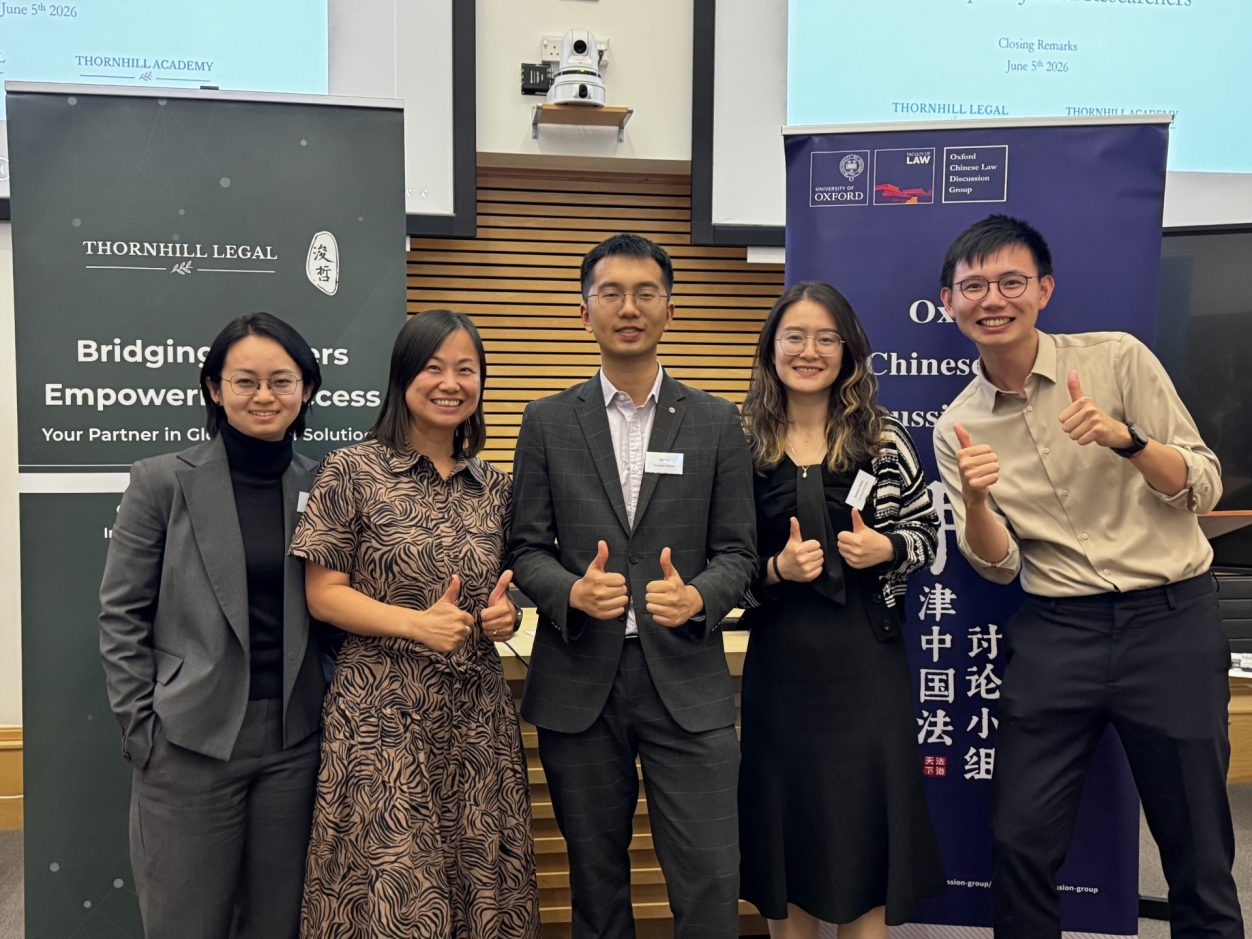
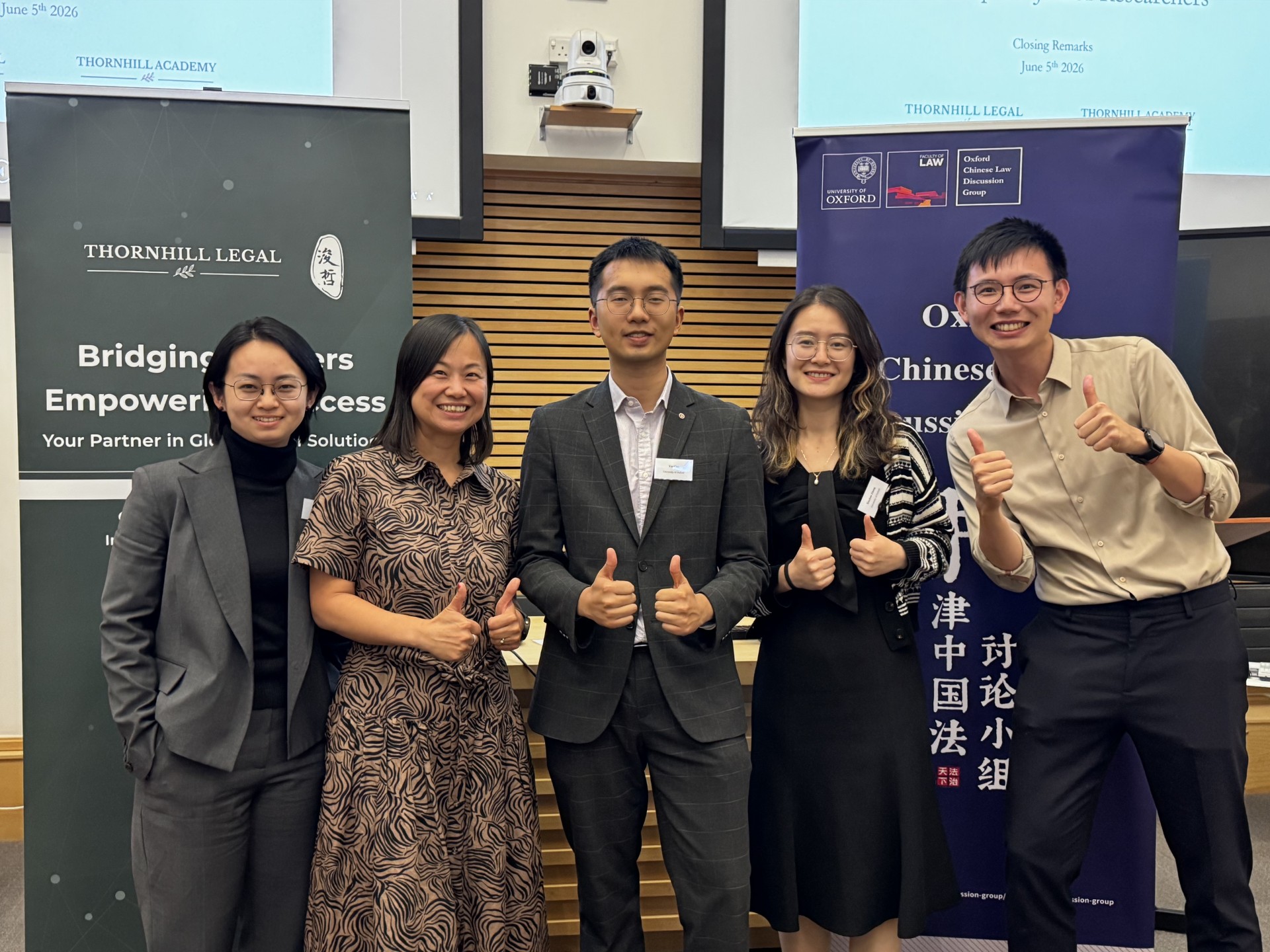
Yuhua Yang delivered the closing remarks on behalf of Thornhill Legal, highlighting the firm’s honour in supporting such a high-level academic forum. Reflecting on the discussions over the two days, she emphasised the importance of dialogue and collaboration across comparative legal research, empirical legal studies, legal technology innovation and cross-border legal practice.
“The legal profession is shaped by both scholarship and practice,” she said, “and continued communication, mutual understanding and collaboration are essential in responding to a rapidly changing world.”
Founded in 2018, the OCLDG is part of the Faculty of Law, University of Oxford. Its annual conference provides an international platform for academics, legal practitioners and policymakers to exchange ideas on legal issues relating to China.
In addition to the University of Oxford and The University of Hong Kong, more than 20 other universities and research institutions from China, the UK, Hong Kong, Japan, Europe and the US participated in the OCLDG’s annual conference on 4 and 5 June 2026. They included the University of Sheffield, the University of Bristol, Durham University, Newcastle University, Erasmus University Rotterdam, Duke University, the University of Tokyo, the University of Montreal, Peking University, Tsinghua University, Renmin University of China, Beijing Foreign Studies University, China University of Political Science and Law, Shanghai Academy of Social Sciences, Shanghai Jiao Tong University, East China University of Political Science and Law, and Huazhong University of Science and Technology.
Teresa Han, intern of Thornhill Legal, contributed to the article.